Locate Us
- Doctor's Care Polyclinic & Diagnostic Centre, 168/299, Hakim Para, Opp. Ushasi Bhawan, Jalpaiguri-735101, West Bengal, India
- +91 97359 20690 / +91 97331 48734
- info@drrajatkrbhattacharjee.com
Endoscopic surgery uses an endoscope, a flexible tube with a camera and light at its tip, passed through the mouth or the back passage. The surgeon can see inside the digestive tract and diagnose or treat many problems without any cut on the skin, so recovery is quick and most procedures are done as day care.
Dr. Rajat Kumar Bhattacharjee provides diagnostic and therapeutic endoscopy in Jalpaiguri for patients across North Bengal, including upper GI endoscopy, colonoscopy, sigmoidoscopy, biopsies and removal of polyps and swallowed objects. If you are comparing options for the best endoscopic surgery in North Bengal or Jalpaiguri, ask about the surgeon’s training, the equipment used and how biopsy results are followed up.
Polyps are often removed with a snare, a thin wire loop placed around the polyp and tightened; a mild electric current seals the blood vessels as it cuts.
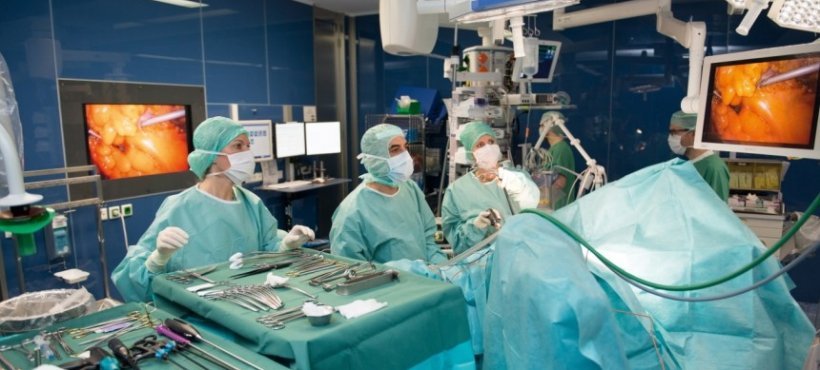
Endoscopic procedures offered by Dr. Rajat Kumar Bhattacharjee in Jalpaiguri include:
Colonoscopy
During this procedure, the anus, rectum and colon are examined using a colonoscope, a flexible tube with a camera and light at the tip. The inside of the colon is examined carefully, looking for signs of disease. A biopsy, a small piece of tissue, may be taken at this time, for later examination under a microscope. Colonoscopy is performed at Doctor’s Care Polyclinic & Diagnostic Centre, Jalpaiguri.
Flexible Sigmoidoscopy
During this procedure, the rectum and sigmoid colon are examined using a scope, similar to a colonoscope. The flexible sigmoidoscope is 65 cm long and is used to examine the rectum and sigmoid colon.
The rigid sigmoidoscopy
The rigid sigmoidoscope is 25cm long and is generally used to examine the rectum.
Anoscopy
During this procedure, your doctor will examine the inside of the anus and anal canal with the anoscope. The surgeon may remove a small piece of tissue, called a biopsy. This biopsy will be examined under a microscope later for signs of disease by a pathologist, a doctor who is expert in looking at cells under the microscope.
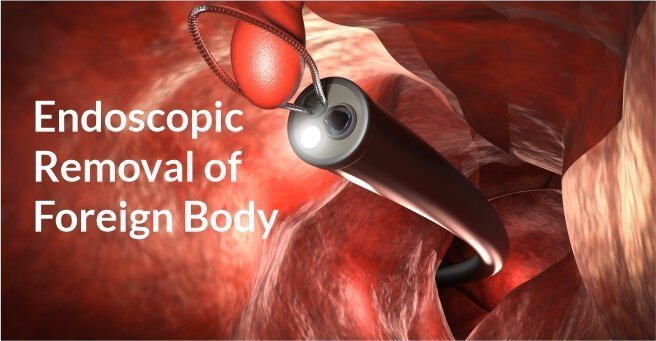
People sometimes swallow food or foreign bodies that become stuck in the digestive tract. Usually, the items pass through the digestive tract and are excreted from the body in stool. When a foreign object does not pass from the body on its own, you may need a procedure to remove it.
Endoscopic foreign body removal is a minimally invasive procedure to remove items that have been swallowed and become stuck in the digestive tract. (If an object becomes lodged in the airway and obstructs breathing, emergency medical attention is required.)
A person who swallowed a foreign object may feel that something is stuck in the throat and may have difficulty swallowing. Doctors typically perform an upper endoscopy, also known as an esophagogastroduodenoscopy (EGD), to remove the object.
During the EGD, the doctor examines the lining of the digestive tract, including the esophagus, stomach and upper part of the small intestine, to check for damage.
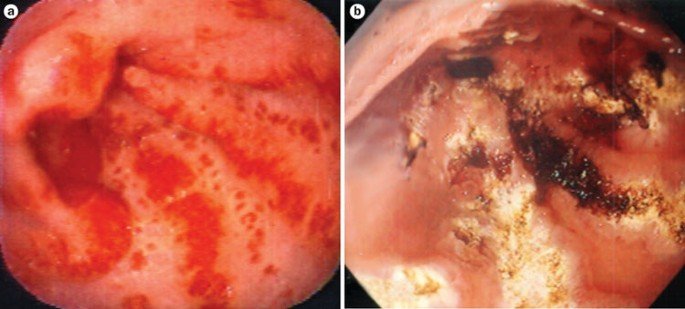
An upper GI endoscopy in Jalpaiguri, North Bengal or EGD (esophagogastroduodenoscopy) is a procedure to diagnose and treat problems in your upper GI (gastrointestinal) tract.
The upper GI tract includes your food pipe (esophagus), stomach, and the first part of your small intestine (the duodenum).
This procedure is done using a long, flexible tube called an endoscope. The tube has a tiny light and video camera on one end. The tube is put into your mouth and throat. Then it is slowly pushed through your esophagus and stomach, and into your duodenum. Video images from the tube are seen on a monitor.
Small tools may also be inserted into the endoscope. These tools can be used to:
Basic & Advanced Laparoscopic Surgery, Specialization in Diagnostic & Therapeutic Endoscopy, Abdominal Cancer Surgery, Laser Proctology.